
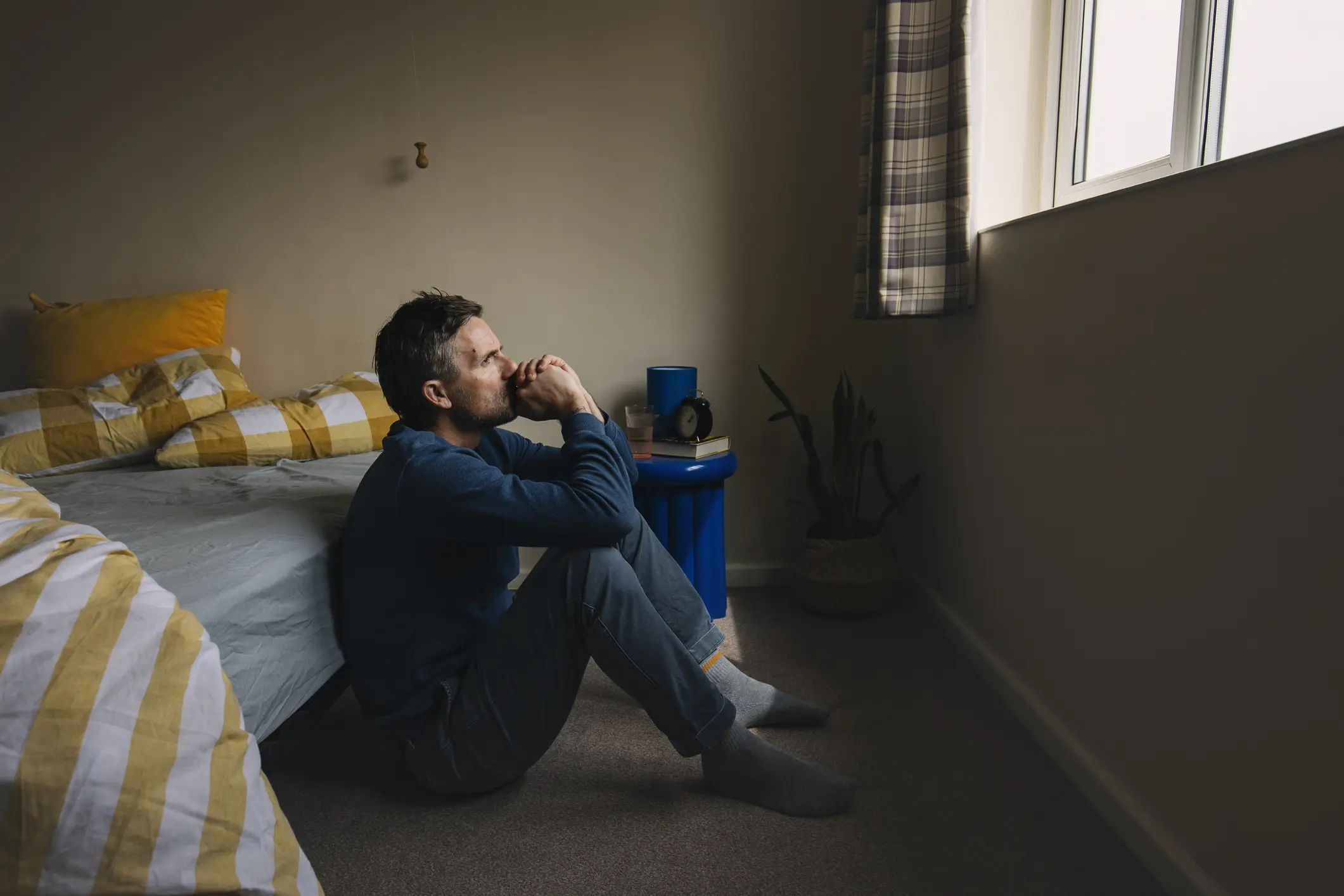
Treatment-resistant depression is a term used to describe cases where individuals do not respond to typical depression treatments. Standard treatments usually involve antidepressant medications, psychotherapy or a combination of both. When these approaches fail to alleviate symptoms, the depression is considered resistant to treatment.
Defining Treatment Resistance
The definition of treatment resistance can vary among healthcare providers. Generally, it is described as a lack of response to at least two different antidepressant medications taken at adequate doses for a sufficient duration. However, some experts argue that resistance can also apply to psychotherapy, where there is minimal improvement despite consistent therapy sessions.
Different Levels of Resistance
Treatment resistance can show up in varying degrees. Some may experience partial resistance, where symptoms improve but not significantly enough to enhance quality of life. Others may face complete resistance, where there is no noticeable improvement.
Misdiagnosis and its Impact
Misdiagnosis can often contribute to perceived treatment resistance. Conditions such as bipolar disorder, anxiety or thyroid issues can mimic depression symptoms. It’s important for healthcare professionals to conduct comprehensive evaluations for accurate diagnosis, which is a foundational step in addressing treatment-resistant cases effectively.
Symptoms of Treatment-Resistant Depression
The symptoms of treatment-resistant depression are similar to those of regular depression but may be more severe or persistent. Common symptoms include:
- Persistent sadness or low mood
- Loss of interest in activities once enjoyed
- Changes in appetite or weight
- Sleep disturbances
- Fatigue or lack of energy
- Difficulty concentrating
- Feelings of hopelessness or worthlessness
- Suicidal thoughts or behaviors
Intensified Symptoms
In treatment-resistant depression, symptoms often become intensified. Individuals may experience deeper levels of despair and helplessness, making daily functioning increasingly difficult. This intensity of symptoms can further complicate the treatment process, requiring more nuanced approaches.
Chronic Nature
The chronic nature of treatment-resistant depression means symptoms are long-lasting, often persisting for years. This chronicity can lead to a cycle of frustration and hopelessness, both for individuals suffering and their loved ones. Long-term persistence demands ongoing management and support.
Psychological and Physical Manifestations
Beyond emotional symptoms, treatment-resistant depression can manifest physically. Individuals might face frequent headaches, digestive issues or chronic pain, further diminishing their quality of life. These physical manifestations require integrated treatment plans addressing both mental and physical health.
Causes of Treatment-Resistant Depression
There is no single cause for treatment-resistant depression, but several factors may contribute to its development.
Biological Factors
Certain biological factors can make individuals more prone to treatment-resistant depression. These include genetic predispositions, hormonal imbalances and abnormalities in brain chemistry or structure.
Genetic Influences
Genetic factors can significantly impact susceptibility to treatment-resistant depression. Family history of depression or other mental health disorders can indicate a higher risk. Genetic research continues to explore specific genes that may contribute to treatment resistance, offering potential for future personalized treatments.
Neurochemical Imbalances
Neurochemical imbalances, particularly involving neurotransmitters like serotonin, norepinephrine and dopamine, play a critical role. Abnormalities in these chemicals can hinder the effectiveness of standard antidepressants, necessitating alternative approaches that target different pathways.
Structural Brain Changes
Studies have shown that structural changes in the brain, such as reduced volume in certain areas, can be associated with treatment-resistant depression. These structural differences may affect mood regulation and response to traditional treatments, highlighting the need for advanced imaging techniques in diagnosis and treatment planning.
Psychological Factors
Psychological issues, such as unresolved trauma, chronic stress or co-occurring mental health disorders, can also play a role in the resistance to treatment. Individuals with complex emotional histories or those experiencing severe anxiety or personality disorders may find traditional depression treatments less effective.
Impact of Trauma
Unresolved trauma can deeply influence psychological resilience and treatment outcomes. Traumatic experiences may create barriers to emotional healing, requiring specialized therapeutic interventions that focus on trauma resolution and emotional processing.
Chronic Stress Effects
Chronic stress alters brain function and hormonal responses, contributing to treatment resistance. The continuous release of stress hormones like cortisol can exacerbate depressive symptoms, making it vital to incorporate stress management techniques into treatment plans.
Co-occurring Mental Health Disorders
Co-occurring disorders, such as anxiety, PTSD or personality disorders, complicate treatment responses. These overlapping conditions often require integrated treatment strategies that address all aspects of an individual’s mental health for effective management.
Environmental Factors
Environmental factors, such as ongoing life stressors, lack of social support or exposure to adverse conditions, can exacerbate depression symptoms and contribute to treatment resistance. Understanding and addressing these factors is essential in developing an effective treatment plan.
Socioeconomic Challenges
Socioeconomic factors, including financial instability, unemployment or poor living conditions, can intensify depression and hinder treatment efficacy. Addressing these challenges often involves community resources and support systems to alleviate stress and improve mental health outcomes.
Social Isolation and Support Systems
A lack of social support or feelings of isolation can significantly impact depression treatment outcomes. Building strong, supportive relationships is crucial for recovery, and therapy can often focus on developing social skills and networks to combat isolation.
Exposure to Adverse Conditions
Chronic exposure to adverse conditions, such as domestic violence or substance abuse environments, can perpetuate depression. Creating safe and supportive living conditions is an integral part of a comprehensive treatment approach, often requiring collaboration with social services.
Solutions for Treatment-Resistant Depression
While treatment-resistant depression can be challenging, several strategies and treatments may offer relief.
Medication Adjustments
For many individuals, adjusting current medication regimens can make a significant difference. This may involve changing the type of antidepressant, adjusting the dosage or adding another medication to enhance the effects.
Optimizing Antidepressant Treatment
Optimizing antidepressant treatment may involve switching to different classes of antidepressants, such as SSRIs, SNRIs or MAOIs, depending on individual response and side effects. Tailoring medication to the individual’s unique neurochemical profile is often necessary for improvement.
Augmentation Strategies
Augmentation involves adding another medication, such as mood stabilizers or atypical antipsychotics, to enhance antidepressant effectiveness. These strategies aim to target multiple pathways in the brain, providing a broader approach to symptom relief.
Addressing Side Effects
Managing side effects is vital for medication adherence. Healthcare providers can offer solutions to mitigate side effects, so that patients remain on potentially effective treatments long enough to assess full benefits.
Psychotherapy Approaches
Traditional talk therapy, such as cognitive-behavioral therapy (CBT), may not be sufficient for treatment-resistant depression. Alternative or intensive psychotherapy options, such as dialectical behavior therapy (DBT) or schema therapy, can provide new perspectives and coping mechanisms.
Integrative Therapies
Integrative therapies combine elements from various psychotherapeutic approaches, offering personalized treatment plans. Techniques from CBT, DBT and mindfulness-based therapies can be blended to address the multifaceted nature of treatment-resistant depression.
Advanced Treatment Options
In cases where standard treatments are ineffective, advanced therapies may be considered. These include:
- Electroconvulsive Therapy (ECT): A medical procedure that involves brief electrical stimulation of the brain, ECT is often used when rapid relief of severe symptoms is necessary.
- Transcranial Magnetic Stimulation (TMS): This non-invasive treatment uses magnetic fields to stimulate nerve cells in the brain, aiming to improve mood regulation.
- Ketamine Infusions: Administered intravenously, ketamine has shown promise in rapidly reducing depressive symptoms in some individuals with treatment-resistant depression.
Novel Therapies
Novel therapies, such as psilocybin-assisted therapy, are being explored for treatment-resistant depression. Early studies suggest these approaches may offer significant relief, opening new avenues for research and treatment.
Personalized Medicine
Advancements in personalized medicine, including pharmacogenetic testing, help tailor treatments to individual genetic profiles. This approach aims to predict medication response, minimizing trial-and-error periods and enhancing treatment efficacy.
Multimodal Treatment Plans
Multimodal treatment plans incorporate a combination of therapies, medications and lifestyle changes to address the complexity of treatment-resistant depression. These comprehensive plans are designed to target multiple aspects of the disorder, offering a holistic path to recovery.
Lifestyle Modifications
Incorporating lifestyle changes can support overall mental health and complement other treatments. Strategies include:
- Regular exercise
- Healthy eating habits
- Adequate sleep
- Mindfulness and relaxation techniques
- Building a strong support network
The Role of Physical Activity
Physical activity is a powerful tool in managing depression, promoting endorphin release and reducing stress. Regular exercise routines, tailored to individual preferences and abilities, are essential components of a holistic treatment plan.
Importance of Nutrition
Nutritional interventions can significantly impact mood and energy levels. Diets rich in omega-3 fatty acids, vitamins and minerals support brain health and may enhance treatment outcomes when combined with traditional therapies.
Sleep and Mental Health
Adequate sleep is vital for mental health, and addressing sleep disturbances can reduce depressive symptoms. Sleep hygiene practices, such as maintaining a consistent sleep schedule and creating a restful environment, are important for recovery.
Finding a Treatment Center for Depression
For those struggling with treatment-resistant depression, finding the right treatment center is a critical step. Consider the following when selecting a facility:
- Accreditation and Licensing: Check to see if the center is accredited and has licensed professionals on staff.
- Specialized Programs: Look for centers that offer specialized programs for treatment-resistant depression, including advanced therapies.
- Comprehensive Approach: Choose a facility that provides a holistic approach, addressing biological, psychological and environmental factors.
- Aftercare Support: Ensure continued support and resources are available for maintaining progress after treatment.
Help is Here
If you or a loved one are struggling with treatment-resistant depression, reach out for help. Explore available resources, consult with healthcare providers and take proactive steps to find the support and treatment necessary for a brighter future.
If you or a loved one is struggling with mental health or addiction, The Pavilion Behavioral Health System is here to help. We provide inpatient treatment to children, adolescents and adults in Champaign, Illinois. To learn more about our programs and services, do not hesitate to contact us today.
If you or a loved one is experiencing a mental health crisis, CALL 988 or seek the nearest emergency room.
For physical health emergencies, CALL 911 or get to the nearest emergency room.